

News
PT BIA Initiates Media Visit: Strengthening Plasma Partnerships, Revitalizing the Economy and Social Welfare of the Muting Indigenous Community
26 November 2025
PT BIA Inisiasi Media Visit: Penguatan Kemitraan Plasma, Bangkitkan Ekonomi dan Sosial Masyarakat Ulayat Muting
PT BIA Inisiasi Media Visit: Penguatan Kemitraan Plasma, Bangkitkan Ekonomi dan Sosial Masyarakat Ulayat Muting

PT BIA Inisiasi Media Visit: Penguatan Kemitraan Plasma, Bangkitkan Ekonomi dan Sosial Masyarakat Ulayat Muting

PT BIA Inisiasi Media Visit: Penguatan Kemitraan Plasma, Bangkitkan Ekonomi dan Sosial Masyarakat Ulayat Muting
PT BIA Inisiasi Media Visit: Penguatan Kemitraan Plasma, Bangkitkan Ekonomi dan Sosial Masyarakat Ulayat Muting
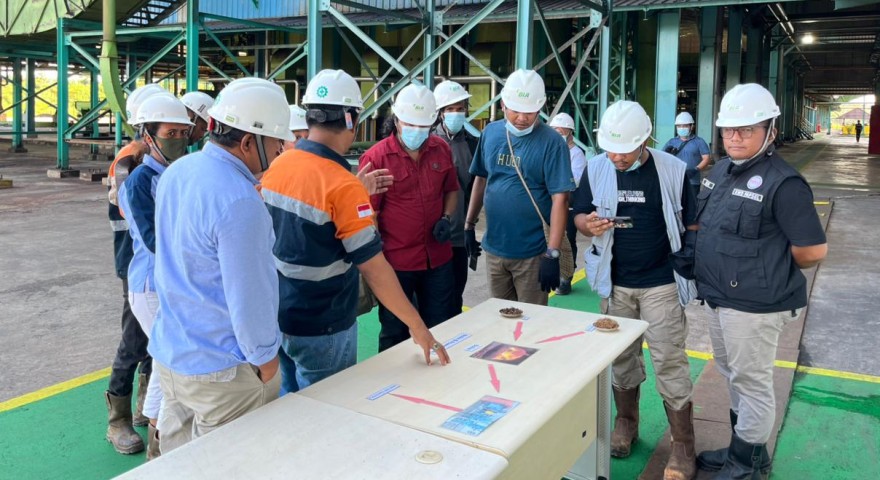
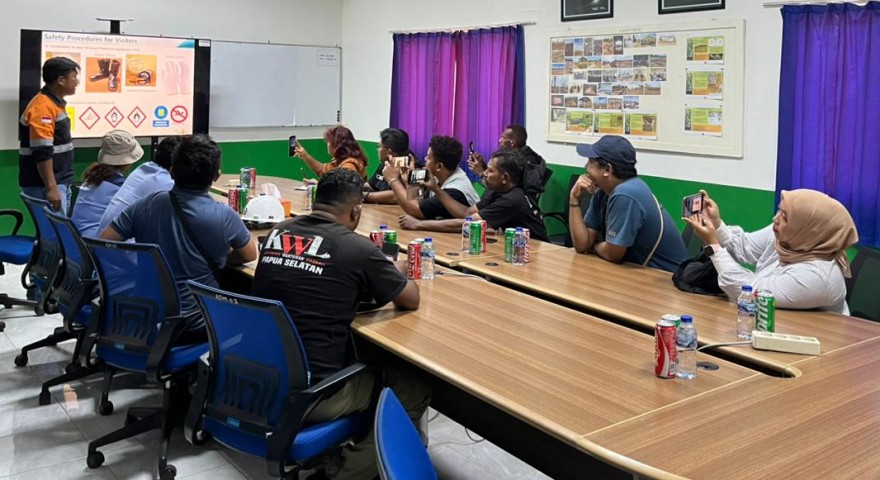
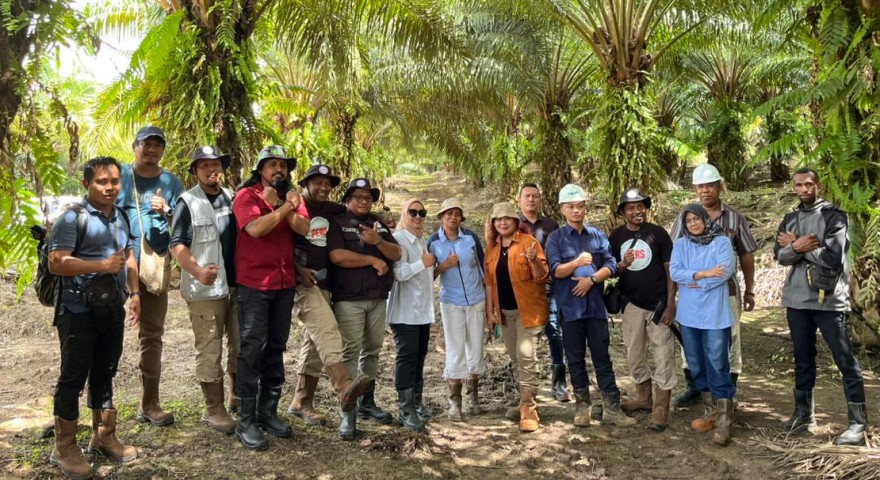
Merauke, 26 November 2025 – Through a Media Visit organized by PT Bio Inti Agrindo (PT BIA), journalists were invited to witness firsthand how the plasma plantations of the Muting indigenous community have become a new economic driver in southern Papua.
Theo Alex Ohoitaur, Plasma Manager of PT BIA, explained that through cooperatives, the plasma program is a corporate obligation, requiring the company to allocate at least 20 percent of its total land concession (HGU) to be managed independently by the community.
“All plasma areas are fully managed by the community through cooperatives. Our role is to ensure technical assistance, sustainability, and consistent production quality,” Theo stated.
Community palm oil production has remained stable and nationally competitive, with productivity ranging between 23–26 tons per hectare. According to Theo, this figure is maintained through regular supervision and maintenance. Two key certifications further strengthen the plasma’s position in the international market: ISPO (2019) and RSPO (2021). With these certifications, plasma plantations are officially recognized as meeting both national and international sustainability standards.
“Plasma productivity is categorized as good at the national level and complies with sustainability standards,” he emphasized.
The plasma payment system has been designed to be transparent and modern. CPCL (Prospective Farmers and Land Candidates) payments are transferred directly to recipients’ bank accounts every month, while SHU (Net Business Surplus) is distributed every three months. Beyond providing income, plasma plantations also create employment opportunities in crop maintenance, harvesting, administration, and plantation supervision. Worker facilities include housing, clean water, electricity, as well as health and employment insurance (BPJS Kesehatan and BPJS Ketenagakerjaan).
“These are tangible benefits, not just reports. Cooperative members receive regular monthly income,” Theo added.
For the Muting indigenous community, plasma plantations have become an economic asset that brings new hope. Through accountable governance and consistent technical support, plasma serves as a concrete example of how the 20% HGU scheme can be implemented effectively, delivering direct benefits to indigenous communities.
“In the past, we only relied on nature. Now we have our own plantations and can plan for the future,” said Arnold Mahuze, First Secretary of the cooperative.