

Environment Conservation and Community Development Program
The Lake Bian Wildlife Reserve has been designated as a protected wildlife reserve since 1990 and is characterized by exceptional biodiversity, lowland forests, wetlands, and areas that serve as an important watershed for Merauke. The reserve is classified as an IUCN Category IV protected area, with forest characteristics similar (like-for-like) to those within PT Bio Inti Agrindo (PT BIA), and is directly adjacent to PT BIA’s concession area.
Since October 2023, PT BIA has been collaborating with the Papua Natural Resources Conservation Agency (BBKSDA Papua) to strengthen the function of conservation areas. This collaboration aims to enhance the role of the Lake Bian Wildlife Reserve in supporting life-support systems, conserving plant and wildlife biodiversity, promoting the sustainable use of biological natural resources and ecosystems, and mitigating both existing and potential future threats. These objectives are pursued through five strategic approaches.
This Project Area was selected in accordance with RSPO Annex 6 RaCP requirements, specifically addressing the principles of :

Guided by a scientifically designed Theory of Change and aligned with International Conservation Standards, the project adopts a knowledge-based approach to ensure that every conservation strategy is measurable, relevant, and accountable. In-depth ecological and social analyses form the foundation for achieving long-lasting and equitable outcomes for local communities. The overarching goal of the Project is to reduce existing and emerging threats, ensuring the long-term conservation of terrestrial and aquatic ecosystems, biodiversity, and ecosystem services. This will be achieved through five interrelated strategic approaches:
-
Strengthening BIAN management through co-management and forest monitoring
-
Improving community welfare through sustainable livelihood development
-
Implementing conservation incentive mechanisms
-
Applying Integrated Fire Management (IFM) across the landscape
-
Best Management Practice
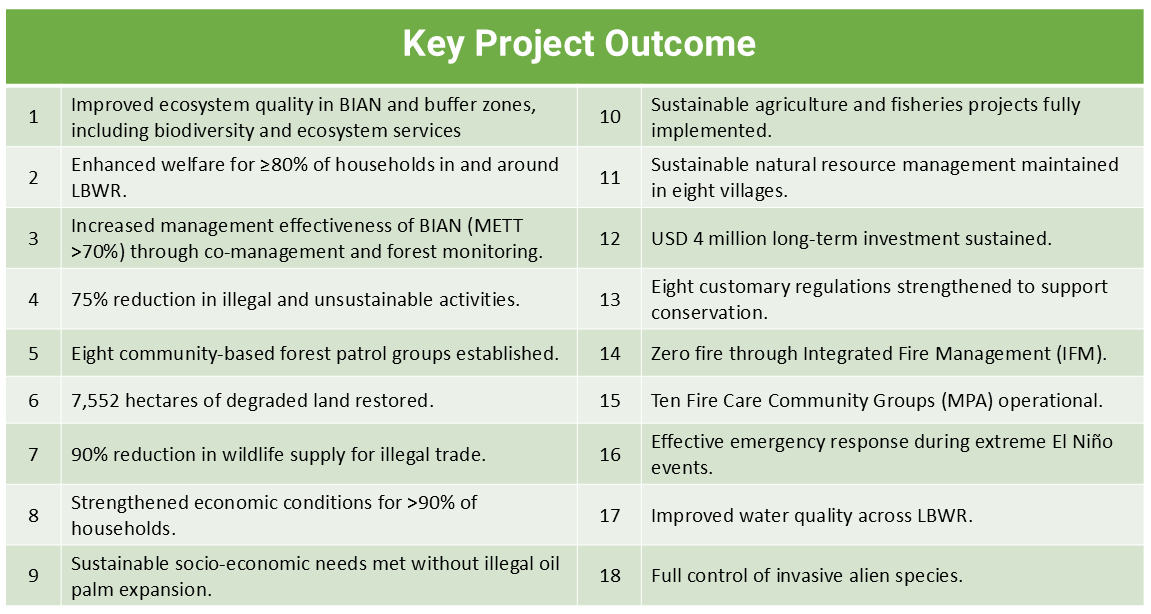
KEY PROJECT OUTCOME
Monitoring and evaluation of the Project will be conducted through the use of measurable indicators of efficiency, effectiveness, and impact. Progress will be documented and reported as such, and will be evaluated based on milestones according to the implementation timeline.
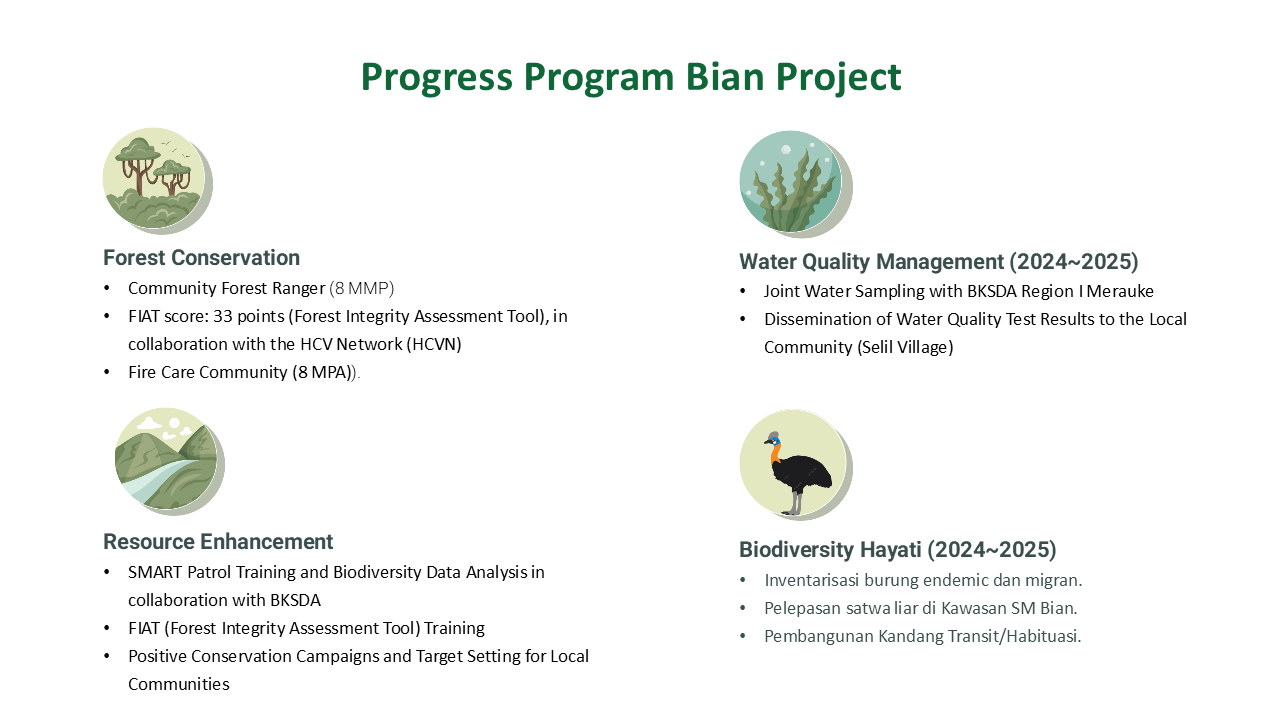
Progress BIAN PROJECT
The Bian Project is progressing steadily, with key milestones in conservation, community development, and environmental management being implemented as planned. For more detailed BIAN Report please klik downdload below:
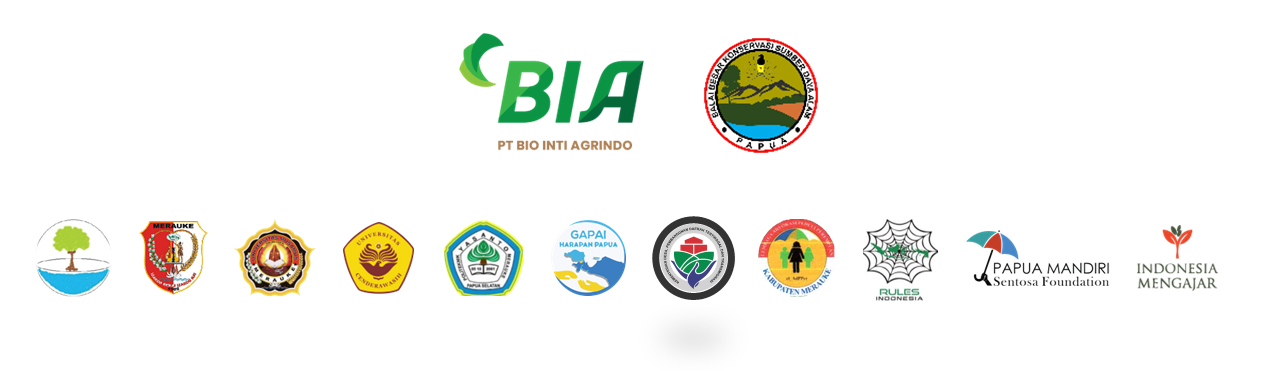
COLLABORATION
PT BIA collaborates with BBKSDA Papua and has authorized the conservation area, Regional Government of Merauke, Consultant, and NGO. The following table describes the list of parties in implementing the Bian Project:
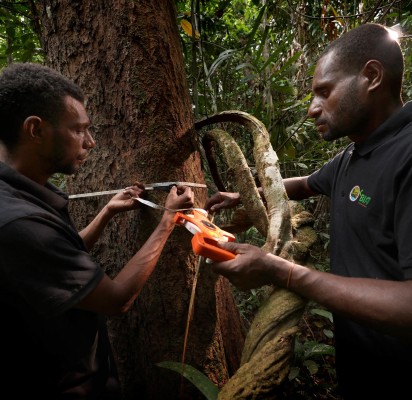
Conservation
The Strategic Approach prioritizes improving the management effectiveness of the Bian Wildlife Reserve (SM Danau Bian) through a comprehensive co-management model
Read More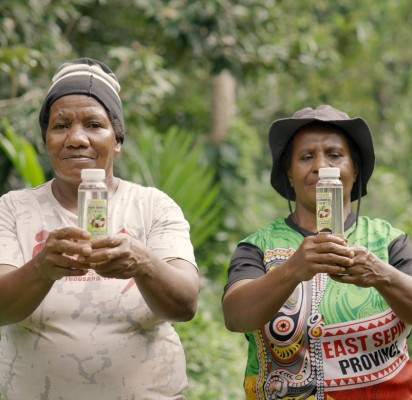
Economic
By providing environmentally responsible livelihood alternatives and reducing dependence on harmful practices, this approach supports a balanced relationship between community well-being and the long-term conservation of the SM Danau Bian ecosystem.
Read More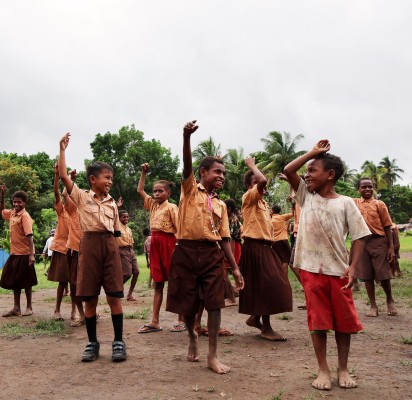
Education and Health
This program aims to ensure that villages around LWBR maintain sustainable natural resource management by preserving and strengthening traditional practices and integrating them into local and regional development plans.
Read More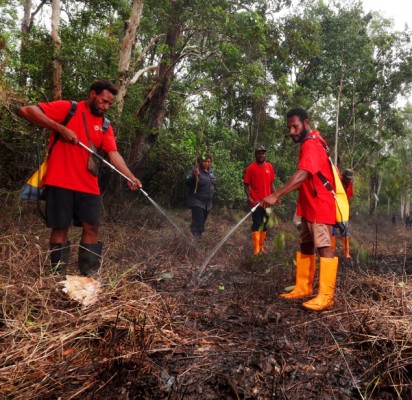
Fire Management
The Community Fire Care (MPA) initiative was established to address the growing threat of forest and land fires caused by climate change. MPA plays a vital role in prevention and early response.
Read More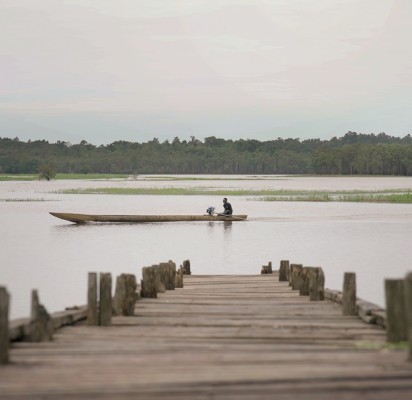
Stakeholder Collaboration
The Bian Lake Wildlife Reserve is a riverine and forest ecosystem of high ecological value and rich biodiversity, located within a complex landscape shaped by diverse stakeholders, including transmigrant communities.
Read More