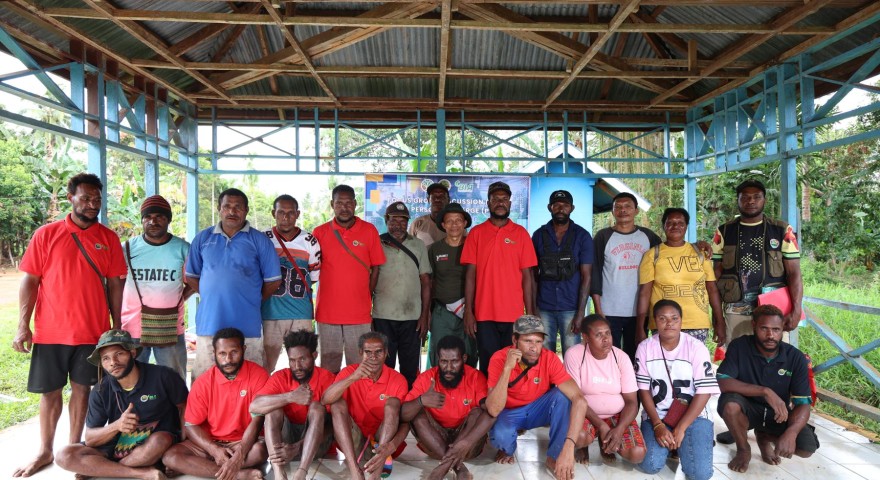


The Community Fire Care (MPA) initiative was established to address the growing threat of forest and land fires caused by climate change
The Community Fire Care (MPA) initiative was established to address the growing threat of forest and land fires caused by climate change. MPA plays a vital role in prevention and early response. Members are equipped with technical knowledge, various training programs, and firefighting equipment to enable them to prevent and manage forest and land fires swiftly, safely, and effectively.
Through routine patrols, education, and rapid response to fire incidents, the Community Fire Care (MPA) plays a crucial role in protecting the environment, reducing land-burning practices, and supporting integrated and sustainable fire management for the preservation of forests and biodiversity.
The formation of the Community Fire Care (MPA) began with a series of structured capacity-building trainings. Communities were equipped with knowledge of Integrated Fire Management (IFM), fire prevention techniques, risk assessment, and early suppression procedures. The training covered not only theoretical aspects but also practical field exercises, including initial fire suppression simulations, equipment operation, rapid response command arrangements, and patrols in fire-prone areas.
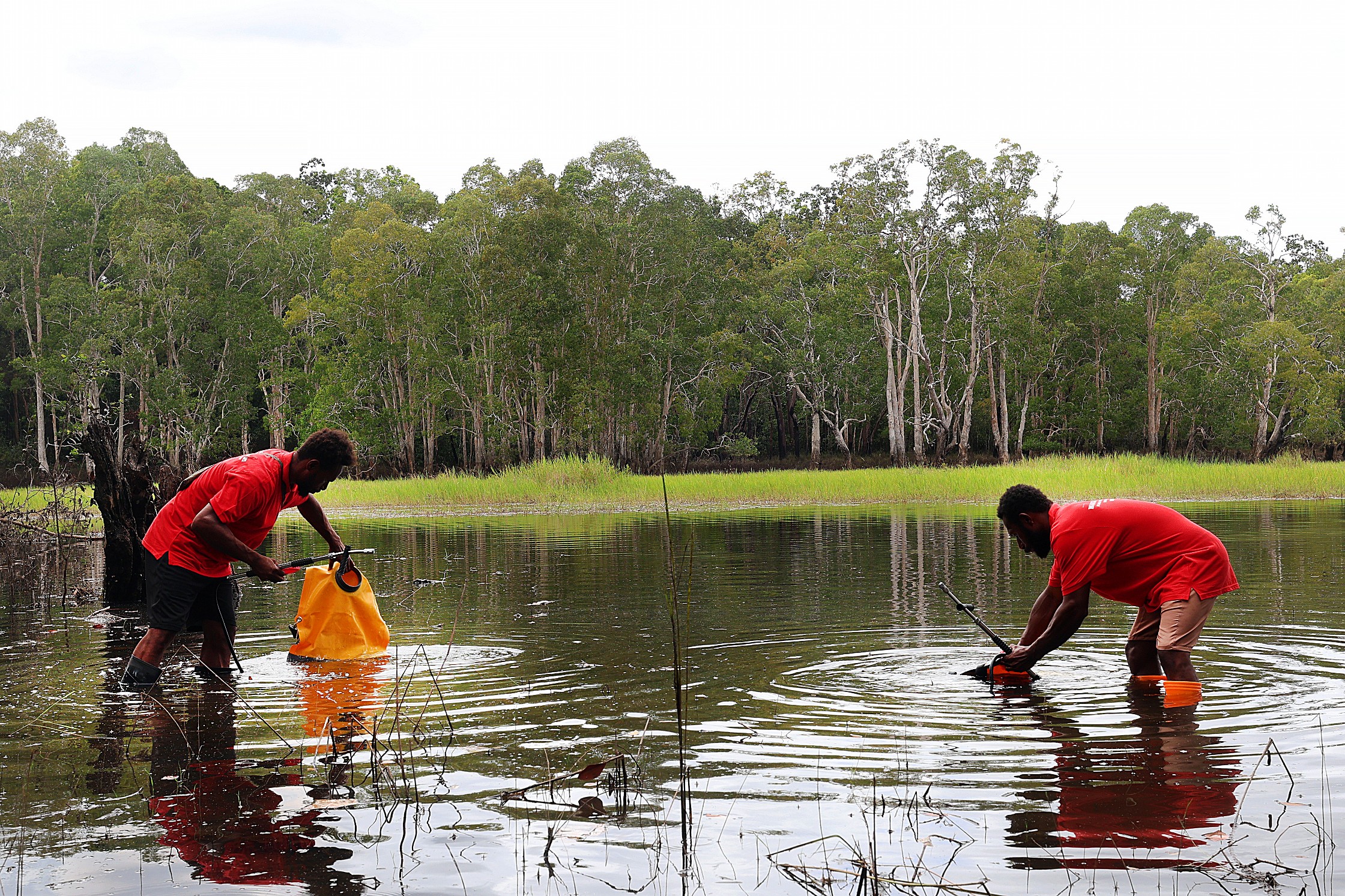
Through this approach, MPA members gained the technical skills and operational readiness needed to respond effectively to critical situations. The community was well-prepared to serve as the frontline in safeguarding the ecological balance of the Bian Wildlife Reserve. These trainings function as emergency response measures and include the following components:
Fire Management Training Programs
- Basic Fire Management Training
- Fire Surveillance & Early Warning Training
- Early Fire Suppression Training
- Firefighting Equipment Handling Training
- El Niño and Extreme Drought Preparedness Training
- Fire Risk Assessment Training
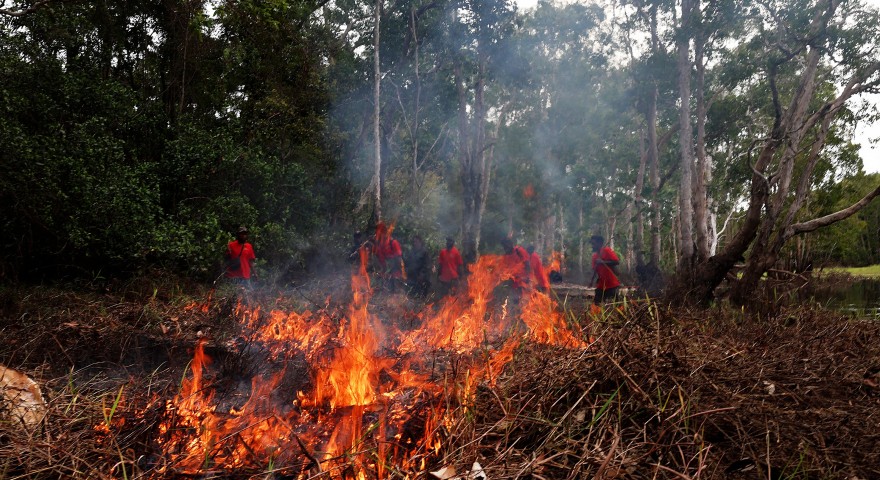
The Community Fire Care (MPA)
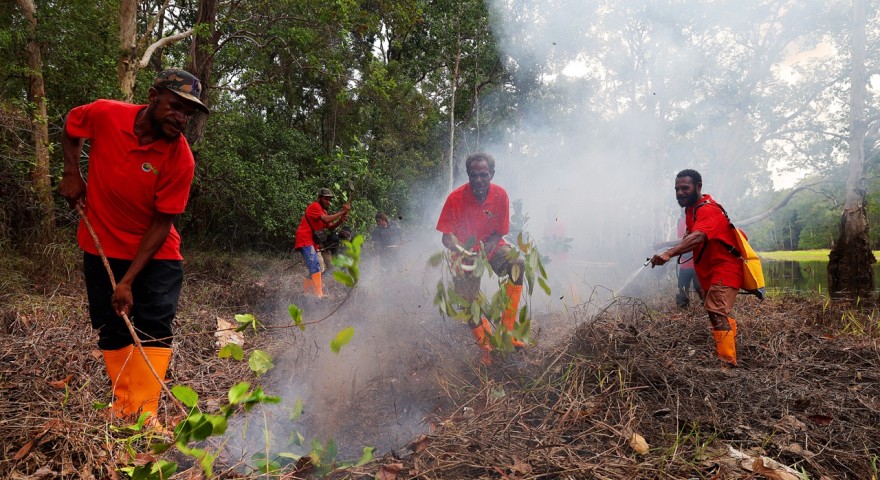
The Community Fire Care (MPA)